How to Care for Dental Implants So They Last a Lifetime

Dental implants are one of the most reliable, long-term solutions for replacing missing teeth. With proper care, they can last for decades, and in many cases, a lifetime. But that longevity isn't automatic. Like natural teeth, implants require consistent maintenance and the right daily habits to stay healthy and functional for the long run.

As a periodontist, I place and monitor implants regularly, and the patients who get the most out of theirs are almost always the ones who understand what ongoing care actually looks like. Here's my step-by-step guide to keeping your implant, and the gum and bone tissue supporting it, healthy for years to come.
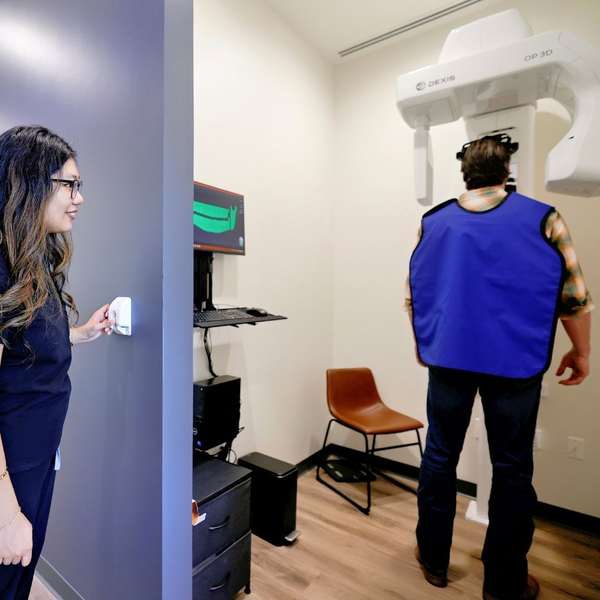
Patient getting a dental X-ray

Why Implant Care Matters So Much

An implant itself, the titanium post fused into your jawbone, can't develop a cavity. But the tissue around it can absolutely develop problems. Peri-implantitis, an inflammatory condition affecting the gum and bone around an implant, is one of the leading causes of implant failure. It develops in much the same way gum disease does around natural teeth: bacterial plaque builds up, inflammation sets in, and if it's left untreated, the bone and gums supporting the implant can begin to break down.

The encouraging part is that peri-implantitis is largely preventable with the right care routine, which is exactly why daily maintenance matters as much for implants as it does for your natural teeth.

Step 1: Clean Around the Implant Twice a Day

Brush your implant crown just as thoroughly as you would a natural tooth, ideally with a soft-bristled or electric toothbrush. Pay close attention to the area where the crown meets the gumline, since this is where plaque tends to accumulate and where early signs of inflammation typically start.

I often recommend a toothpaste that isn't overly abrasive. Some whitening formulas contain particles that can scratch the surface of the implant crown over time, creating rough spots where bacteria can more easily collect.

Who is a Good Candidate for Dental Implants 2.jpg

Step 2: Clean Below and Around the Crown

Standard flossing can be tricky around an implant, especially if you have a bridge or multiple implants connected together. I recommend using tools designed specifically for this purpose:

  • Water flossers, which use a targeted stream of water to flush out debris around the implant and along the gumline

  • Interdental brushes, which are small enough to clean between the implant and neighboring teeth

  • Implant-specific floss or floss threaders, designed to slide under a bridge or connected crown without shredding

The goal is to reach areas a regular toothbrush can't, since that's where plaque quietly accumulates without you noticing.

Step 3: Use an Antimicrobial Rinse if Recommended

Depending on your individual case, I may recommend an antimicrobial or antigingivitis mouth rinse to help reduce the bacterial load around your implant. This isn't necessary for every patient, but for those who are more prone to inflammation or who have a history of gum disease, it can offer an added layer of protection between cleanings.

Who is a Good Candidate for Dental Implants 1.jpg

Step 4: Keep Up With Professional Cleanings and Checkups

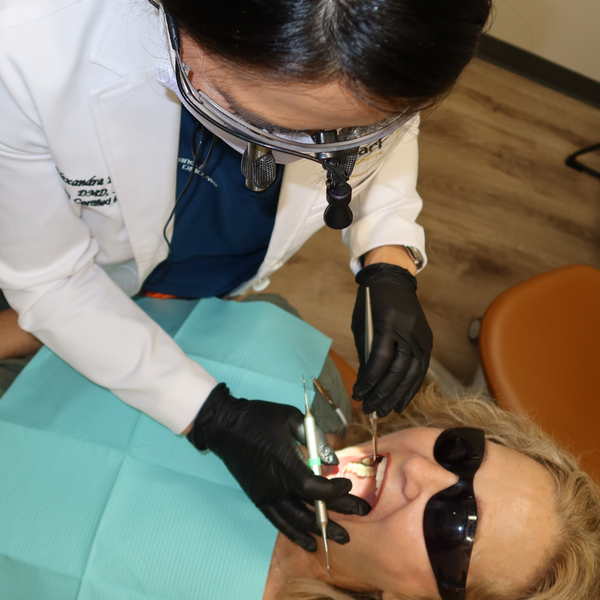
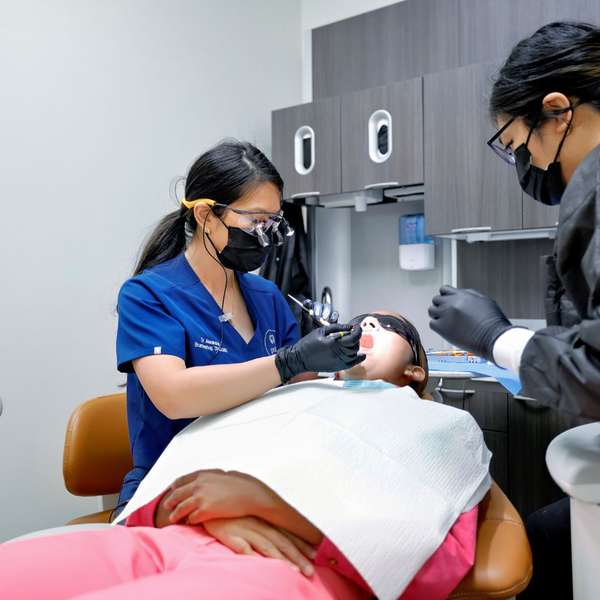
Even with excellent home care, professional maintenance is essential. During your periodontal maintenance visits, I check the stability of the implant, measure the depth of the tissue around it, and take X-rays periodically to monitor the bone level supporting it. These visits allow us to catch early signs of peri-implantitis long before you'd notice any symptoms yourself, when treatment is far simpler and more effective.

Most patients with implants benefit from cleanings every three to six months, though the right interval depends on your individual risk factors and how your tissue responds over time.

Step 5: Watch for Warning Signs Between Visits

Between appointments, pay attention to how the tissue around your implant looks and feels. Reach out to us if you notice any of the following:

  • Redness, swelling, or tenderness around the implant

  • Bleeding when you brush or floss near it

  • Any looseness or shifting sensation in the crown

  • Persistent bad breath localized to that area

  • Pus or discharge around the gumline

None of these should be ignored or assumed to resolve on their own. Catching an issue early is almost always the difference between a straightforward fix and a more complicated one.

Untitled design (53).png

Step 6: Protect Your Implant From Excess Force

Implants are strong, but they aren't indestructible. Avoid using your teeth to open packaging or bottles, and be mindful of chewing extremely hard foods like ice or hard candy, which can chip the crown or place unnecessary stress on the implant.

If you grind your teeth at night, a condition known as bruxism, I'll often recommend a custom nightguard. Grinding places repetitive force on an implant that it wasn't designed to absorb over the long term, and a nightguard is a simple way to protect your investment.

Step 7: Don't Smoke

Smoking is one of the most significant risk factors for implant failure. It restricts blood flow to the gum tissue, slows healing, and substantially increases the risk of peri-implantitis. If you're a smoker considering an implant, or you already have one, quitting is one of the most impactful things you can do to protect its long-term success.

The Bottom Line

A dental implant is a long-term investment in your health, your comfort, and your quality of life, and protecting that investment comes down to consistent daily care paired with regular professional monitoring. The good news is that none of these steps are complicated. They simply need to become part of your routine.

If it's been a while since your last implant checkup, or you have any concerns about how your implant looks or feels, I encourage you to schedule a visit. A little attention now goes a long way toward making sure your implant lasts exactly as long as it's designed to.

Dr. Alexandra Brummerhop is a periodontist at Pearl Periodontics, specializing in dental implants and the prevention, diagnosis, and treatment of gum disease and related conditions.